Mục lục
Electric Bedding Spreader: Define the Farm Requirement
Electric bedding spreader should be evaluated against a defined job: loading bedding and placing a controlled layer in the intended resting area. Start with stall access, discharge reach and the material’s flow behavior and the material handled on an ordinary working day. Use the checks below to establish the operating limits and the evidence needed before choosing a configuration.
Bedding equipment must match the material and resting-area geometry. Straw, sawdust and sand differ in density, abrasiveness, bridging behavior and airborne dust. Compatibility with one material does not prove suitability for another. The intended outcome is repeatable placement where animals rest, with a practical replenishment routine. Ventilation, moisture management, bedding storage and cleaning remain part of the housing system; a spreader alone cannot guarantee animal-health outcomes.
Electric Bedding Spreader: Fit the job into the farm’s available windows
Schedule electric bedding spreader from the deadlines of the receiving task. Identify when material becomes available, when the route is open and when the result is needed. Add the full sequence of loading bedding and placing a controlled layer in the intended resting area. Keep loading, return travel, cleanup and charging or refueling visible. A calendar that includes only productive machine time can overbook electric bedding spreader.
For electric bedding spreader, distinguish planned rounds from completed rounds and record the reason for any missed work. Compare material used per bed, distribution coverage and replenishment time across busy and quiet periods. Check conflicts at the bedding store, hopper outlet and occupied or cleared stall row, especially when one loading device or passage serves several jobs. Give the operator a clear priority rule when an interruption means every scheduled task cannot finish on time.
Reserve maintenance and a practical recovery window rather than running the plan at its theoretical limit. Assign a fallback method for essential work. Revise the schedule when herd groups, route length or material conditions change. The useful output is a routine the farm can sustain through ordinary interruptions, with visible exceptions when it cannot.
Electric Bedding Spreader: Protect the machine during idle periods and restart
Create the electric bedding spreader storage plan from the model-specific manual. Remove retained material, inspect scraper chains, belts, augers, outlet seals and exposed bearings and choose a location that protects electric bedding spreader while preserving safe access. Record unresolved defects before the machine is parked. A clean exterior does not show whether moisture or residue remains inside the material path.
For electric bedding spreader, confirm battery care, fuel or hydraulic precautions, tire support and protection of electrical components as applicable to the configuration. Keep guards and identifying labels in place. Store loose attachments and parts securely and label them for the correct machine. Do not use generic storage advice to override a manufacturer’s requirement for a particular drive system.
Before restart, inspect condition, utilities and controls, then follow the prescribed return-to-service sequence. Check the bedding store, hopper outlet and occupied or cleared stall row for changes made while electric bedding spreader was idle. Run a representative task and compare material used per bed, distribution coverage and replenishment time with the previous record. Resolve deterioration or changed conditions before returning electric bedding spreader to its normal workload.
Electric Bedding Spreader: Build the cost model from measured work
Compare electric bedding spreader options using annual ownership and operating cost alongside the work they actually complete. List purchase price, freight, site preparation, training, finance where relevant, energy, wear parts, routine service and the fallback method during downtime. Use the same operating hours and workload for every option. Keep assumptions such as annual utilization visible so they can be changed without rebuilding the comparison.
For electric bedding spreader, staff time includes supervision, loading, cleaning and dealing with interrupted work. Separate time released from time that becomes a cash saving. If a person still works the same paid shift, the benefit may be additional capacity or a more reliable routine. Measure material used per bed, distribution coverage and replenishment time before and after the trial. Avoid assigning a fixed milk-yield, feed-saving or labor-saving percentage without evidence from the farm.
Calculate at least a low-utilization and a high-utilization case, and vary service cost and downtime independently. If annual net savings are uncertain or negative, show that result directly instead of forcing a payback figure. Check that an inexpensive option does not require unpriced changes to the bedding store, hopper outlet and occupied or cleared stall row. A useful cost model shows what would have to be true for the purchase to make economic sense.
Electric Bedding Spreader: Check the existing farm before choosing a retrofit
For an electric bedding spreader retrofit, document the current equipment, utilities and structures before requesting a replacement. Keep the existing bottleneck separate from problems that only appear during unusual events. Measure the bedding store, hopper outlet and occupied or cleared stall row and collect a recent record of material used per bed, distribution coverage and replenishment time. Those observations establish whether the replacement needs more capacity, better access, different controls or a more dependable service arrangement.
List every physical change required for electric bedding spreader: access widening, loading-point adjustment, electrical work, floor repair or a revised receiving area. Ask who designs and approves each change. Existing structures may limit the available options even when a larger machine appears attractive. Avoid using a supplier’s standard drawing as proof that an old farm floor or electrical supply can support the installation.
Plan the changeover around essential daily work. Decide when the old system is withdrawn, how the new system will be tested and which fallback remains available. Keep temporary instructions separate from the final operating procedure. After a short period of routine use, compare the new process with the original baseline and close any unresolved interface problems.
Electric Bedding Spreader: Inspect wear according to the material path
Inspect electric bedding spreader durability at the points that contact the intended straw, sawdust, husks or other approved bedding material and carry repeated load. Focus on scraper chains, belts, augers, outlet seals and exposed bearings. Ask which materials and component thicknesses belong to the quoted model, and which surfaces are replaceable. A heavy overall machine weight or a thick panel in one location does not establish the service life of the entire system.
For electric bedding spreader, look for accessible adjustment points, protected bearings, drainage, corrosion traps and the time needed to replace a wear item. Compare those details with the farm’s cleaning routine and material abrasiveness. Record initial condition at delivery so later wear can be assessed against usage. Avoid interpreting a product photograph as evidence of hidden material quality.
Theo dõi sự hao mòn trong khoảng thời gian hoạt động nhất quán và điều tra sự xuống cấp không đồng đều hoặc nhanh chóng. độ lệch, vật liệu không phù hợp hoặc quá tải lặp đi lặp lại có thể thay đổi kết quả. tuân theo quy trình sửa chữa đã được phê duyệt và thay thế các thành phần quan trọng về an toàn bằng các bộ phận được ủy quyền. so sánh độ bền hữu ích kết hợp thiết kế thành phần, truy cập dịch vụ và bằng chứng vận hành thay vì dựa vào nhãn chịu lực chung.
A shared fleet serving more than one farm or unit
Build a separate operating requirement for each site. Gates, power connections, receiving points and material conditions can differ even when the equipment category is the same. Include travel, cleaning, site induction and the return trip in utilization figures. Record which settings belong to which site, and prevent an operator from carrying an unsuitable setup to the next job. Service planning needs a named contact at each location and a clear procedure for delays. A machine’s availability to the fleet is different from its availability at the moment a particular farm needs it.
A Worked Planning Example for Electric Bedding Spreader
If an illustrative 200 stalls each receive 2 kg of replenishment, one round uses 400 kg. At a measured loose density of 100 kg/m³, that represents 4 m³ before any allowance. A heavier, wetter material changes both handling and mass even if the same hopper volume is loaded. Establish the farm’s bedding target with its management team. Check the actual placement in the stall rather than using hopper-emptying time as the sole performance measure.
Kiểm tra cấu hình và bằng chứng hỗ trợ
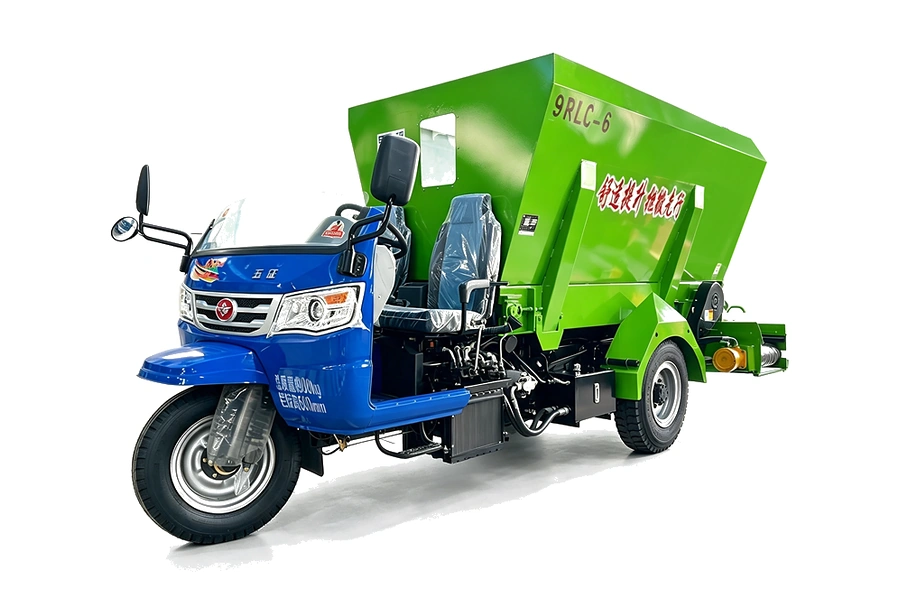
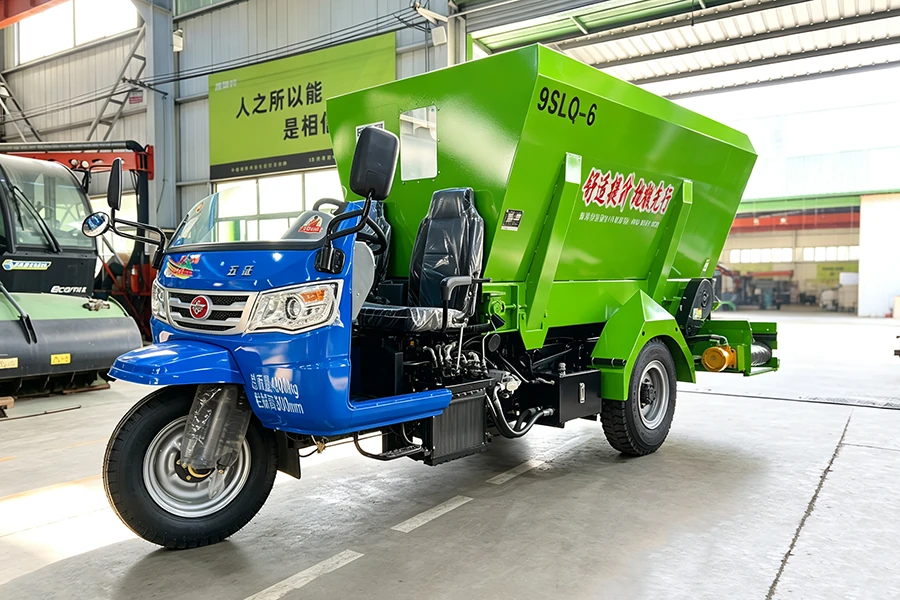
LTSZ liệt kê Ba bánh xe Bedding Spreader within its livestock equipment portfolio. The product page records Model: 9SLQ-6; Vehicle Model: Wuzheng; Engine Speed: 2200 r/min. Treat these entries as a starting point for a configuration discussion and request the current model sheet before placing an order. Confirm that the proposed electric bedding spreader arrangement fits the bedding store, hopper outlet and occupied or cleared stall row.
The linked catalogue entry does not confirm every feature named in this search term. Ask LTSZ whether the requested drive or automation arrangement is available for the proposed model. Keep that requirement unconfirmed until the supplier provides configuration-specific documentation and a suitable trial.
For this application, ask the team to measure bedding mass or volume used across a known number of stalls and compare placement depth at representative points. Provide a layout drawing, the intended the intended straw, sawdust, husks or other approved bedding material and the required work window. The quotation should identify included options, service access and the evidence needed for handover. You can also review the Danh mục thiết bị LTSZ để hiểu các giai đoạn cho ăn và làm sạch liền kề.
So sánh các tùy chọn trước khi cam kết
| Quyết định | So sánh cái gì | Bằng chứng để yêu cầu |
|---|---|---|
| Nhiệm vụ phù hợp | loading bedding and placing a controlled layer in the intended resting area | Một vòng làm việc hoàn chỉnh đã được chứng minh |
| Phù hợp với vật liệu | the intended straw, sawdust, husks or other approved bedding material | Điều kiện thử nghiệm và quan sát thực tế |
| Trang web phù hợp | stall access, discharge reach and the material’s flow behavior | Bản vẽ cấu hình và khảo sát tuyến đường |
| Hiệu suất | material used per bed, distribution coverage and replenishment time | Một bản ghi chấp nhận có thể tái tạo |
| Khả năng phục vụ | scraper chains, belts, augers, outlet seals and exposed bearings | Hướng dẫn sử dụng, số bộ phận và quy trình truy cập |
- Trial the actual bedding material and moisture range.
- Measure placement at the near and far edges of the resting area.
- Check dust behavior from a safe observation position.
- Confirm the machine fits the cleared stall-access route.
Để có nền tảng độc lập, hãy đọc University of Minnesota Extension guidance on cow comfort. This resource places resting surfaces and bedding within housing management. It does not establish that a particular bedding machine improves health or milk output.
Thảo luận về yêu cầu trang trại của bạn
To discuss electric bedding spreader, send your farm layout, daily workload, material details and delivery destination to LTSZ. Yêu cầu cấu hình được đề xuất với các giới hạn hoạt động, phạm vi báo giá và kiểm tra chấp nhận được nêu bằng văn bản. bao gồm ràng buộc chính được xác định trong hướng dẫn này để cuộc thảo luận bắt đầu với công việc mà trang trại của bạn cần hoàn thành.
Câu hỏi thường gặp
What information is needed to specify electric bedding spreader?
To specify electric bedding spreader, start with loading bedding and placing a controlled layer in the intended resting area, the daily workload and the available work window. Add drawings of the bedding store, hopper outlet and occupied or cleared stall row, material details and the result the farm needs to verify.
How should electric bedding spreader performance be checked?
Evaluate electric bedding spreader using material used per bed, distribution coverage and replenishment time as the operating evidence. A practical approach is to measure bedding mass or volume used across a known number of stalls and compare placement depth at representative points. Record settings and conditions so the result can be compared with routine work.
Can electric bedding spreader be selected from capacity alone?
Capacity must be checked alongside stall access, discharge reach and the material’s flow behavior. Confirm material behavior, access, complete cycle time and support requirements. A nominal figure cannot establish every part of the task.
Which electric bedding spreader maintenance points need attention?
Inspect scraper chains, belts, augers, outlet seals and exposed bearings according to the exact model manual. Assign responsibility, use the required isolation procedure and record recurring wear or adjustment needs.
What should a electric bedding spreader quotation include?
Yêu cầu mô hình và cấu hình, bản vẽ, thông số kỹ thuật hiện tại, bao gồm các tùy chọn, phạm vi giao hàng, đào tạo, phụ tùng và điều khoản dịch vụ. đồng ý phương thức chấp nhận trước khi đặt hàng.