Spis treści
Livestock Equipment: Define the Farm Requirement
Livestock equipment should be evaluated against a defined job: coordinating feed preparation, delivery, feed access and barn-cleaning tasks. Start with the existing farm layout, staffing and interdependent work windows and the material handled on an ordinary working day. Use the checks below to establish the operating limits and the evidence needed before choosing a configuration.
Plan wyposażenia powinien zaczynać się od sekwencji pracy i ograniczeń gospodarstwa Szybsza maszyna tworzy wartość, gdy poprawia ograniczającą część tej sekwencji bez przenoszenia opóźnienia w inne miejsce Istniejące bramy, zasilacze, magazyny materiałów i umiejętności personelu kształtują praktyczne wybory Oddziel podstawowe możliwości od opcjonalnych funkcji i określ, jakie dowody ustalą, że każda proponowana maszyna pasuje do zamierzonego zadania.
Livestock Equipment: Survey clearance at the awkward parts of the route
A useful livestock equipment layout survey begins at the narrowest doorway and the most constrained turn, rather than the widest alley. Record clear width, clear height, floor changes, curb positions and places where other vehicles wait. Draw the route through the handoffs between storage, preparation, barn routes and waste reception. Include the space needed while loading or unloading because the operating envelope can be larger than the parked dimensions.
Walk the intended route with the regular operator. Mark animal crossings, pedestrian doors, drainage channels and overhead services. For livestock equipment, the relevant restriction is the existing farm layout, staffing and interdependent work windows. Ask for the exact configuration’s dimensions and a turning-envelope drawing. Use that drawing to assess the route with realistic obstructions in place. A nominal turning radius does not by itself prove that the rear or attachment clears a wall.
Ustal plan próbny dla trudnych lokalizacji i zdecyduj, gdzie obserwator może bezpiecznie stać Dokumentuj wszelkie proponowane przeniesienie bramy, naprawę podłogi lub separację ruchu Przypisz odpowiedzialność za te zmiany przed dostawą Powtórz ocenę trasy po budowie lub zmianie przywiązania Trasa pozostaje warunkiem operacyjnym wymagającym utrzymania, a nie jednorazowym pomiarem zapisanym wraz z wyceną.
Livestock Equipment: Plan expansion without assuming linear output
For livestock equipment, model present demand and future demand as separate cases. More animals or more barns can add travel, group changes and waiting as well as material quantity. Review the existing farm layout, staffing and interdependent work windows in both layouts. A proportional increase in nominal capacity may leave the same bottleneck in the handoffs between storage, preparation, barn routes and waste reception. Identify which part of the process must expand first.
Compare one larger livestock equipment unit, additional work rounds and multiple units where appropriate. Include the smallest group and the planned service downtime in the comparison. A second unit may provide fallback capacity, while one larger machine may simplify staffing but concentrate interruption risk. Use complete cycle records and task completion, bottleneck time and the availability of essential equipment to evaluate the alternatives.
Stage purchases around confirmed demand and the readiness of receiving facilities. Reserve physical access or utility capacity only where it is supported by the expansion plan. After each stage, repeat the interface and acceptance checks. Keep future assumptions visible so the farm does not pay today for an unverified workload that may develop differently.
Livestock Equipment: Verify adjacent equipment and information handoffs
Integration of livestock equipment begins with the physical handoff through the handoffs between storage, preparation, barn routes and waste reception. Confirm heights, sides, flow direction, loading rate and access for cleaning. Identify whether one machine must wait for another to finish. The selected configuration should connect to the actual farm process, not merely share the same broad equipment category.
For livestock equipment, describe any required data exchange separately from material exchange. Specify which system owns group identifiers, target quantities, schedules and completion status. Confirm whether the offered interface is included, supported and documented. A machine described as intelligent does not automatically connect to the farm’s existing software or export the data format it needs.
Przetestuj normalne przekazanie i przerwane Sprawdź, co się stanie, gdy materiał, zasilanie lub połączenie danych nie będą dostępne Operator powinien być w stanie zidentyfikować stan zadania i zastosować zatwierdzoną metodę odzyskiwania Zbierz zakończenie zadania, czas wąskiego gardła i dostępność niezbędnego sprzętu z obu stron, jeśli to możliwe, i usuń rozbieżności przed traktowaniem zintegrowanej sekwencji jako rutynowej.
Livestock Equipment: Inspect wear according to the material path
Inspect livestock equipment durability at the points that contact the farm’s feed ingredients, bedding and manure in their actual working conditions and carry repeated load. Focus on task-specific contact surfaces, drive components and service access points. Ask which materials and component thicknesses belong to the quoted model, and which surfaces are replaceable. A heavy overall machine weight or a thick panel in one location does not establish the service life of the entire system.
For livestock equipment, look for accessible adjustment points, protected bearings, drainage, corrosion traps and the time needed to replace a wear item. Compare those details with the farm’s cleaning routine and material abrasiveness. Record initial condition at delivery so later wear can be assessed against usage. Avoid interpreting a product photograph as evidence of hidden material quality.
Śledź zużycie w stałych odstępach czasu pracy i badaj nierówne lub szybkie pogorszenie Niewspółosiowość, nieodpowiedni materiał lub powtarzające się przeciążenia mogą zmienić wynik Postępuj zgodnie z zatwierdzoną procedurą naprawy i zastąp komponenty o znaczeniu krytycznym dla bezpieczeństwa autoryzowanymi częściami Przydatne porównanie trwałości łączy w sobie konstrukcję komponentów, dostęp do usług i dowody operacyjne zamiast polegać na ogólnej etykiecie o dużej wytrzymałości.
Livestock Equipment: Check power supply and the full energy cycle
Define the livestock equipment power requirement for the actual configuration, including charging, starting, auxiliary drives and control equipment. Confirm voltage, frequency, protection and connection requirements with the supplier and a qualified installer where appropriate. Relate the available power or charging window to the existing farm layout, staffing and interdependent work windows. Installed power alone does not establish energy used per completed task.
Measure livestock equipment energy across complete work rounds, including waiting and charging losses where the measurement boundary includes them. Record the material, payload and route for comparison. For battery equipment, distinguish nominal battery capacity, usable working time and the reserve required to return to the charger. Confirm temperature limits and the permitted charging arrangement.
Test the response to an interrupted supply using the approved procedure. Decide who receives the alarm and how essential farm work continues. Compare energy cost with maintenance, staffing and availability in the purchase model. Electric equipment may avoid exhaust at the point of use, but that does not establish zero lifecycle emissions or suitability for every indoor space.
A mixed livestock farm sharing machinery between jobs
Create a task order that separates clean feed and bedding from manure work. Attachments, contact surfaces and receiving areas may require different handling and cleaning procedures. Record the changeover time as part of the full job. A shared machine can reduce duplicate investment only if the conflicting tasks fit the available hours. Allocate responsibility for checking livestock equipment before the next use, especially when different teams work on the same day. Evaluate the most awkward interface rather than using the easiest task as the demonstration for the entire farm.
A Worked Planning Example for Livestock Equipment
Wyobraź sobie gospodarstwo z 90-minutowym porannym oknem karmienia Mikser kończący swoją partię w 30 minut nie ustala, że cały system może zakończyć się w tym oknie Dodaj ładowanie składników, transport, przydział grupowy, rozładowywanie i czyszczenie Jeśli te etapy zajmują kolejne 75 minut, proces potrzebuje 105 minut i nie osiąga celu To ilustracyjne ćwiczenie czasowe pokazuje, dlaczego badanie wąskich gardeł powinno poprzedzać wybór sprzętu.
Kontrole konfiguracji i dowody potwierdzające
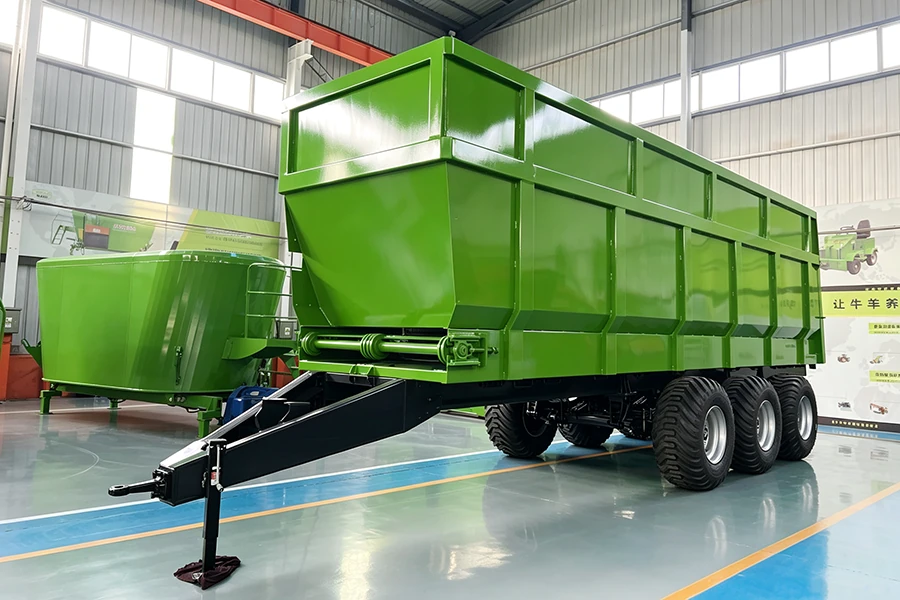
LTSZ wymienia Rozrzutnik obornika stałego within its livestock equipment portfolio. The product page records Model: 2FGH-20; Matched Power: 150-220HP; Spreading Width: 8-12m. Treat these entries as a starting point for a configuration discussion and request the current model sheet before placing an order. Confirm that the proposed livestock equipment arrangement fits the handoffs between storage, preparation, barn routes and waste reception.
W przypadku tego wniosku poproś zespół o prześledzenie jednego pełnego dnia roboczego i zapisanie, gdzie materiały, maszyny i personel czekają na kolejne zadanie Dostarcz rysunek układu, zamierzone składniki paszy gospodarstwa, pościel i obornik w ich rzeczywistych warunkach pracy i wymagane okno pracy, Oferta powinna identyfikować zawarte opcje, dostęp do usług i dowody potrzebne do przekazania Możesz również przejrzeć Portfolio sprzętu LTSZ aby zrozumieć sąsiednie etapy karmienia i czyszczenia.
Porównaj opcje przed podjęciem
| Decyzja | Co porównać | Dowód na żądanie |
|---|---|---|
| Dopasowanie zadania | koordynowanie przygotowania paszy, dostawy, dostępu do paszy i zadań związanych z czyszczeniem stodoły | Zademonstrowana kompletna runda robocza |
| Dopasowanie materiału | składniki pasz, ściółka i obornik gospodarstwa w rzeczywistych warunkach pracy | Warunki próbne i rzeczywiste obserwacje |
| Dopasowanie witryny | istniejący układ gospodarstwa, obsada kadrowa i współzależne okna pracy | Rysunek konfiguracji i przegląd trasy |
| Wydajność | zakończenie zadań, czas wąskiego gardła i dostępność niezbędnego sprzętu | Odtwarzalny rekord akceptacji |
| Użyteczność | powierzchnie styków specyficzne dla danego zadania, komponenty napędowe i punkty dostępu do usług | Ręczne, numery części i procedura dostępu |
- Zmapuj całą ścieżkę materialną i osoby odpowiedzialne za każde przekazanie.
- Zmierz istniejące opóźnienia przed określeniem zamienników.
- Zidentyfikuj niezbędną pracę wymagającą metody awaryjnej.
- Porównaj oferty ze wspólnym wymogiem operacyjnym.
Aby uzyskać niezależne tło, przeczytaj Wytyczne HSE dotyczące maszyn rolniczych. Użyj tego zasobu do ogólnego planowania maszyn i kontekstu konserwacji Przydatność produktu pozostaje specyficzna dla wybranego modelu, zadania i wymagań miejsca przeznaczenia.
Omów wymagania dotyczące gospodarstwa
To discuss livestock equipment, send your farm layout, daily workload, material details and delivery destination to LTSZ. Poproś o proponowaną konfigurację z limitami operacyjnymi, zakresem wyceny i kontrolami akceptacji określonymi na piśmie Dołącz główne ograniczenie określone w tym przewodniku, aby dyskusja rozpoczęła się od zadania, które musi wykonać Twoje gospodarstwo.
Często Zadawane Pytania
What information is needed to specify livestock equipment?
To specify livestock equipment, start with coordinating feed preparation, delivery, feed access and barn-cleaning tasks, the daily workload and the available work window. Add drawings of the handoffs between storage, preparation, barn routes and waste reception, material details and the result the farm needs to verify.
How should livestock equipment performance be checked?
Evaluate livestock equipment using task completion, bottleneck time and the availability of essential equipment as the operating evidence. A practical approach is to trace one complete working day and record where materials, machines and staff wait for the next task. Record settings and conditions so the result can be compared with routine work.
Can livestock equipment be selected from capacity alone?
Pojemność musi być sprawdzana wraz z istniejącym układem gospodarstwa, personelem i współzależnymi oknami pracy Potwierdź zachowanie materiału, dostęp, pełny czas cyklu i wymagania dotyczące wsparcia Liczba nominalna nie może ustalić każdej części zadania.
Which livestock equipment maintenance points need attention?
Sprawdź powierzchnie styków specyficzne dla danego zadania, elementy napędu i punkty dostępu do serwisu zgodnie z dokładną instrukcją modelu Przypisz odpowiedzialność, użyj wymaganej procedury izolacji i zapisz powtarzające się potrzeby dotyczące zużycia lub regulacji.
What should a livestock equipment quotation include?
Poproś o model i konfigurację, rysunki, aktualne specyfikacje, zawarte opcje, zakres dostawy, szkolenie, części zamienne i warunki serwisowe Uzgodnij sposób akceptacji przed złożeniem zamówienia.