Spis treści
Self-Propelled Bedding Spreader: Define the Farm Requirement
Self-propelled bedding spreader should be evaluated against a defined job: loading bedding and placing a controlled layer in the intended resting area. Start with stall access, discharge reach and the material’s flow behavior and the material handled on an ordinary working day. Use the checks below to establish the operating limits and the evidence needed before choosing a configuration.
Sprzęt pościelowy musi pasować do materiału i geometrii obszaru spoczynku Słoma, trociny i piasek różnią się gęstością, ścieralnością, zachowaniem mostkowym i pyłem unoszącym się w powietrzu Zgodność z jednym materiałem nie dowodzi przydatności dla innego Zamierzonym rezultatem jest powtarzalne umieszczanie w miejscu odpoczynku zwierząt, z praktyczną rutyną uzupełniania Wentylacja, zarządzanie wilgocią, przechowywanie ściółki i czyszczenie pozostają częścią systemu mieszkaniowego; sam rozsiewacz nie może zagwarantować wyników w zakresie zdrowia zwierząt.
Self-Propelled Bedding Spreader: Keep records that answer a maintenance or feeding question
A practical self-propelled bedding spreader record identifies date, operator, machine, task, material condition and settings. Add material used per bed, distribution coverage and replenishment time using a consistent measurement method. Keep the form short enough to complete at the work site. Do not collect detailed data without deciding which operating, service or procurement question it will help answer.
For self-propelled bedding spreader, preserve target and actual results separately. Record interventions, incomplete tasks and changed settings instead of overwriting them with the final successful result. Link photographs or fault codes to the same event identifier. This makes it possible to investigate an apparently fast pass that leaves uneven depth, wet clumps or excessive dust and prevents a later review from assuming the entire round ran normally.
Review records with operators at a useful interval and assign action to recurring exceptions. Keep original observations intact when adding a diagnosis or correction. Use the data to refine stall access, discharge reach and the material’s flow behavior and the service plan. A simple, consistent log is more valuable than an elaborate spreadsheet with missing definitions and unverified zero entries.
Self-Propelled Bedding Spreader: Stock parts against actual failure consequences
A self-propelled bedding spreader spare-parts plan should identify scraper chains, belts, augers, outlet seals and exposed bearings by the correct part number and configuration. Ask which parts normally wear, which prevent essential work when unavailable and which can be obtained quickly. Record supplier lead time and local service options. A large undifferentiated parts kit can tie up money without covering the item most likely to stop the task.
For self-propelled bedding spreader, separate operator-replaceable consumables from repairs requiring trained service personnel. Confirm required tools, isolation procedures and any recalibration after replacement. Check shelf life and storage conditions for seals, batteries, lubricants and other sensitive items where relevant. Keep parts clean, labeled and linked to the correct machine serial number.
Use downtime records to revise the stock list. Compare the cost of a spare with the likely delay, fallback capacity and delivery time. Replenish a used critical item promptly and record the repair outcome. Do not substitute an apparently similar safety-critical or load-bearing component without the manufacturer’s approval. Parts availability is a service requirement that should be discussed before ordering.
Self-Propelled Bedding Spreader: Build the cost model from measured work
Compare self-propelled bedding spreader options using annual ownership and operating cost alongside the work they actually complete. List purchase price, freight, site preparation, training, finance where relevant, energy, wear parts, routine service and the fallback method during downtime. Use the same operating hours and workload for every option. Keep assumptions such as annual utilization visible so they can be changed without rebuilding the comparison.
For self-propelled bedding spreader, staff time includes supervision, loading, cleaning and dealing with interrupted work. Separate time released from time that becomes a cash saving. If a person still works the same paid shift, the benefit may be additional capacity or a more reliable routine. Measure material used per bed, distribution coverage and replenishment time before and after the trial. Avoid assigning a fixed milk-yield, feed-saving or labor-saving percentage without evidence from the farm.
Calculate at least a low-utilization and a high-utilization case, and vary service cost and downtime independently. If annual net savings are uncertain or negative, show that result directly instead of forcing a payback figure. Check that an inexpensive option does not require unpriced changes to the bedding store, hopper outlet and occupied or cleared stall row. A useful cost model shows what would have to be true for the self-propelled bedding spreader purchase to make economic sense.
Self-Propelled Bedding Spreader: Translate the specification sheet into operating limits
Read the self-propelled bedding spreader specification sheet as a description of one configuration. Separate dimensions, installed power, permitted load, working output and optional functions. Identify whether each number is a maximum, a nominal value or a result under stated test conditions. Relate the sheet to stall access, discharge reach and the material’s flow behavior. Missing conditions deserve a written clarification before two quotations are compared.
For self-propelled bedding spreader, confirm the material used to establish any capacity or output claim. Record the exact model, attachments, drive system and discharge arrangement. A label such as automatic, heavy duty or intelligent is not a complete operating requirement. Ask which actions are automatic, which require an operator and what happens when the normal sequence stops. Verify the interface through the bedding store, hopper outlet and occupied or cleared stall row with drawings where possible.
Create a comparison row for every requirement and attach the supplier’s evidence. Mark unsupported entries as unconfirmed. Do not carry a specification from a related model into the selected model’s record. When an option changes weight, dimensions or power demand, update the route and utility checks as well. The final order should identify the same configuration that the acceptance trial will assess.
Self-Propelled Bedding Spreader: Compare configurations against the same task
Compare self-propelled bedding spreader configurations using one defined work round and the same the intended straw, sawdust, husks or other approved bedding material. Begin with stall access, discharge reach and the material’s flow behavior, then assess the bedding store, hopper outlet and occupied or cleared stall row, staffing, measurement, maintenance and service access. A configuration that excels at maximum output may be inconvenient for a small routine task. State the task before deciding which option has the stronger fit.
Ask for demonstrations under comparable conditions. For each self-propelled bedding spreader option, record material used per bed, distribution coverage and replenishment time, full cycle time and interventions. Note which result comes from a measured trial and which remains a supplier statement. Separate features included in the base price from options. Do not compare a fully configured demonstration unit with a lower-priced quotation that omits the relevant feature.
Use a short decision table with evidence and unresolved questions. Avoid a numerical score that disguises a missing mandatory capability. If an option cannot pass a required access, material or safety condition, resolve that item before comparing preferences. The purchase decision should remain understandable to the operator and service team who will use self-propelled bedding spreader.
Mieszane gospodarstwo hodowlane dzieli maszyny między stanowiskami pracy
Create a task order that separates clean feed and bedding from manure work. Attachments, contact surfaces and receiving areas may require different handling and cleaning procedures. Record the changeover time as part of the full job. A shared machine can reduce duplicate investment only if the conflicting tasks fit the available hours. Allocate responsibility for checking self-propelled bedding spreader before the next use, especially when different teams work on the same day. Evaluate the most awkward interface rather than using the easiest task as the demonstration for the entire farm.
A Worked Planning Example for Self-Propelled Bedding Spreader
Jeśli każdy z ilustracyjnych 200 boksów otrzymuje 2 kg uzupełnienia, jedna runda zużywa 400 kg Przy zmierzonej gęstości luzem 100 kg/m³, co stanowi 4 m³ przed jakimkolwiek naddatkiem Cięższy, bardziej wilgotny materiał zmienia zarówno obsługę, jak i masę, nawet jeśli załadowana jest ta sama objętość leja zasypowego Ustal cel ściółkowy gospodarstwa z zespołem zarządzającym Sprawdź faktyczne umieszczenie w boksie, zamiast używać czasu opróżniania leja zasypowego jako jedynej miary wydajności.
Kontrole konfiguracji i dowody potwierdzające
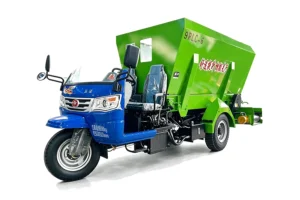
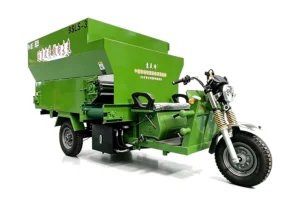
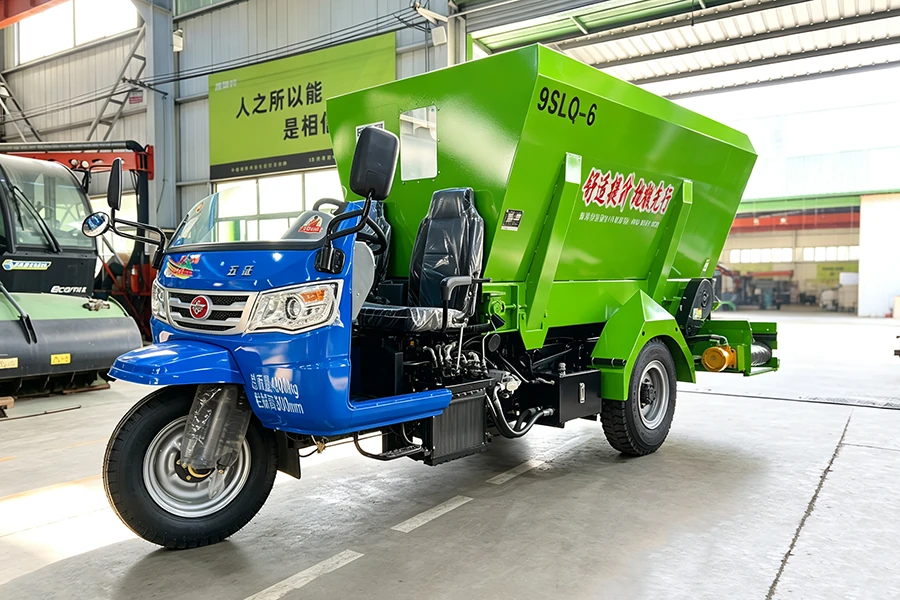
LTSZ wymienia Rozrzutnik pościeli na trzy koła within its livestock equipment portfolio. The product page records Model: 9SLQ-6; Vehicle Model: Wuzheng; Engine Speed: 2200 r/min. Treat these entries as a starting point for a configuration discussion and request the current model sheet before placing an order. Confirm that the proposed self-propelled bedding spreader arrangement fits the bedding store, hopper outlet and occupied or cleared stall row.
W przypadku tego zastosowania poproś zespół o zmierzenie masy lub objętości ściółki użytej na znanej liczbie straganów i porównanie głębokości umieszczenia w reprezentatywnych punktach Podaj rysunek układu, zamierzoną słomę, trociny, łuski lub inny zatwierdzony materiał ściółki i wymagane okno robocze Wycena powinna identyfikować zawarte opcje, dostęp do usługi i dowody potrzebne do przekazania Możesz również przejrzeć Portfolio sprzętu LTSZ aby zrozumieć sąsiednie etapy karmienia i czyszczenia.
Porównaj opcje przed podjęciem
| Decyzja | Co porównać | Dowód na żądanie |
|---|---|---|
| Dopasowanie zadania | załadunek pościeli i umieszczenie kontrolowanej warstwy w zamierzonym obszarze spoczynku | Zademonstrowana kompletna runda robocza |
| Dopasowanie materiału | zamierzona słoma, trociny, łuski lub inny zatwierdzony materiał ściółkowy | Warunki próbne i rzeczywiste obserwacje |
| Dopasowanie witryny | dostęp do przeciągnięcia, zasięg wyładowania i zachowanie materiału podczas przepływu | Rysunek konfiguracji i przegląd trasy |
| Wydajność | materiał zużyty na łóżko, pokrycie dystrybucji i czas uzupełniania | Odtwarzalny rekord akceptacji |
| Użyteczność | łańcuchy zgarniające, pasy, ślimaki, uszczelki wylotowe i odsłonięte łożyska | Ręczne, numery części i procedura dostępu |
- Przetestuj rzeczywisty materiał pościeli i zakres wilgoci.
- Zmierz położenie na bliższych i dalszych krawędziach obszaru odpoczynku.
- Sprawdź zachowanie pyłu z bezpiecznej pozycji obserwacyjnej.
- Potwierdź, że maszyna pasuje do oczyszczonej trasy dostępu do stoiska.
Aby uzyskać niezależne tło, przeczytaj University of Minnesota Wytyczne dotyczące rozszerzenia dotyczące komfortu krów. Zasób ten umieszcza powierzchnie spoczynkowe i pościel w zarządzaniu mieszkaniami. Nie stwierdza, że dana maszyna do pościeli poprawia zdrowie lub wydajność mleka.
Omów wymagania dotyczące gospodarstwa
To discuss self-propelled bedding spreader, send your farm layout, daily workload, material details and delivery destination to LTSZ. Poproś o proponowaną konfigurację z limitami operacyjnymi, zakresem wyceny i kontrolami akceptacji określonymi na piśmie Dołącz główne ograniczenie określone w tym przewodniku, aby dyskusja rozpoczęła się od zadania, które musi wykonać Twoje gospodarstwo.
Często Zadawane Pytania
What information is needed to specify self-propelled bedding spreader?
To specify self-propelled bedding spreader, start with loading bedding and placing a controlled layer in the intended resting area, the daily workload and the available work window. Add drawings of the bedding store, hopper outlet and occupied or cleared stall row, material details and the result the farm needs to verify.
How should self-propelled bedding spreader performance be checked?
Evaluate self-propelled bedding spreader using material used per bed, distribution coverage and replenishment time as the operating evidence. A practical approach is to measure bedding mass or volume used across a known number of stalls and compare placement depth at representative points. Record settings and conditions so the result can be compared with routine work.
Can self-propelled bedding spreader be selected from capacity alone?
Pojemność musi być sprawdzana wraz z dostępem do przeciągnięcia, zasięgiem wyładowania i zachowaniem materiału w zakresie przepływu Potwierdź zachowanie materiału, dostęp, pełny czas cyklu i wymagania dotyczące wsparcia Liczba nominalna nie może ustalić każdej części zadania.
Which self-propelled bedding spreader maintenance points need attention?
Sprawdź łańcuchy zgarniające, pasy, ślimaki, uszczelki wylotowe i odsłonięte łożyska zgodnie z dokładną instrukcją modelu Przypisz odpowiedzialność, użyj wymaganej procedury izolacji i zapisz powtarzające się potrzeby zużycia lub regulacji.
What should a self-propelled bedding spreader quotation include?
Poproś o model i konfigurację, rysunki, aktualne specyfikacje, zawarte opcje, zakres dostawy, szkolenie, części zamienne i warunki serwisowe Uzgodnij sposób akceptacji przed złożeniem zamówienia.