Spis treści
High Capacity Telehandler: Define the Farm Requirement
High capacity telehandler should be evaluated against a defined job: collecting, traveling with and placing a load using an approved attachment. Start with the attachment-specific load chart and the actual ground conditions and the material handled on an ordinary working day. Use the checks below to establish the operating limits and the evidence needed before choosing a configuration.
Zmiany pojemności ładowarki teleskopowej w całej obwiedni roboczej Maszyna, która podnosi ładunek blisko swojego podwozia, może nie być w stanie umieścić go w wymaganym zasięgu do przodu Mapa, zatwierdzone mocowanie, specyfikacja opony, stan stabilizatora, w którym zamontowano i warunki podłoża mają znaczenie Zaplanuj separację pieszych i podróż z wysięgnikiem w zatwierdzonej pozycji producenta Wymiary i prześwit skrętu również zasługują na zmierzone badanie trasy przed wyborem maszyny dla istniejącego gospodarstwa.
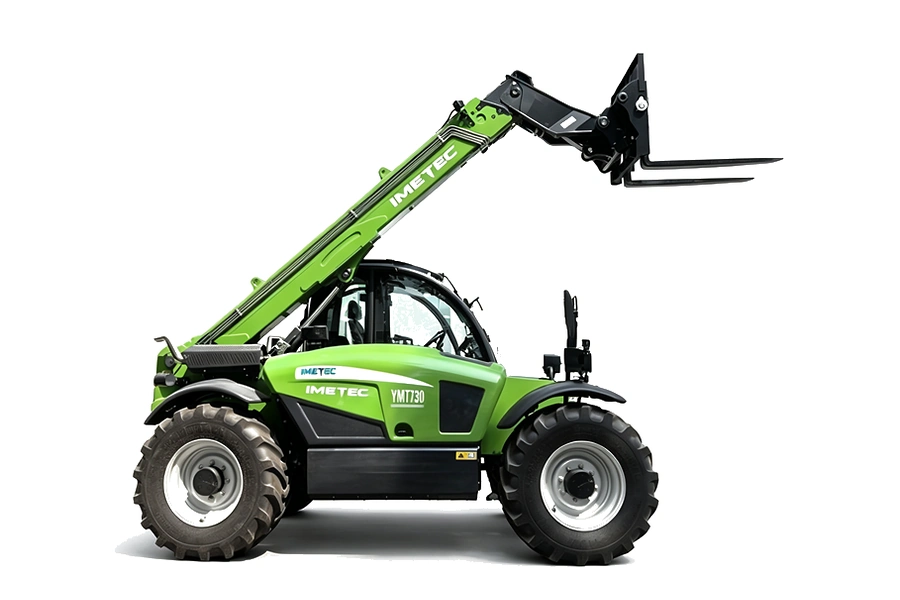
High Capacity Telehandler: Verify load mass and the attachment-specific chart
For high capacity telehandler, distinguish operating weight, payload and the total load carried by the boom. Obtain a reliable load mass, the load centre and the attachment identification. The applicable load chart must cover the required lift height and horizontal reach. Machine weight alone cannot establish a permitted lift.
Compare the high capacity telehandler task with the chart for the exact configuration. Attachment mass, approved tires and any required stabilizer arrangement affect the assessment. Ask a competent operator to explain how the chart applies to the planned pickup and placement. Do not infer an allowable load from maximum height or headline maximum capacity.
Record the load details and approved operating conditions with the job plan. Confirm ground conditions and keep people clear of the lifting operation. When the attachment or task changes, repeat the assessment using the corresponding documentation. A successful lift outside a documented plan is not a substitute for the permitted load information.
High Capacity Telehandler: Connect the machine to the whole work sequence
Map high capacity telehandler as part of collecting, traveling with and placing a load using an approved attachment. List the high capacity telehandler task that supplies material, the task that receives it and the person responsible for the handoff. Record the start and finish of every stage over several representative rounds. This makes waiting visible and prevents a fast isolated machine cycle from being mistaken for a fast complete process.
Focus the high capacity telehandler trial on the attachment coupler, receiving stack and farm travel route. Confirm that loading and receiving heights, sides and positions agree. Note when staff need to move another machine, open a gate or change a setting. Those actions belong in the workflow time. If the new equipment shifts the bottleneck to storage, transport or unloading, evaluate the new limit before increasing the original machine’s capacity.
Write a short normal-work sequence and an exception sequence for missed deliveries, blocked access or unavailable receivers. Give the operator authority to pause when the conditions fall outside the approved procedure. Review load mass, required reach, lift height and repeatable cycle time with the people who do the work. A useful workflow keeps essential tasks repeatable through ordinary staff changes and small interruptions.
High Capacity Telehandler: Design the loading handoff for repeatable work
The high capacity telehandler loading interface should match the source material, loading device and receiving opening. Measure the approach, height, clearance and room for the loading vehicle to turn. Confirm the attachment coupler, receiving stack and farm travel route with a configuration drawing. Include spill collection and the operator’s view of the receiving point in the assessment.
For high capacity telehandler, use pallets, bales or loose materials with verified load characteristics to test the loading sequence. Record the quantity per loading action, the time spent aligning and the difference between intended and actual material transfer. Avoid using a large bucket or high delivery rate merely to shorten the demonstration. Loading must remain within high capacity telehandler’s permitted range and preserve the measurement or material condition needed downstream.
Uzgodnij wyraźny sygnał lub układ blokady, w którym oddzielni operatorzy lub maszyny dzielą się zadaniem Trzymaj ludzi z dala od zawieszonych ładunków, ruchomych przenośników i mechanizmów tnących Sprawdź obszar odbiorczy po każdej próbie pod kątem wycieków i uszkodzeń Powtarzalne przełączanie ładowania zmniejsza pracę korekcyjną i nadaje późniejszym obliczeniom pojemności niezawodny punkt wyjścia.
High Capacity Telehandler: Keep records that answer a maintenance or feeding question
A practical high capacity telehandler record identifies date, operator, machine, task, material condition and settings. Add load mass, required reach, lift height and repeatable cycle time using a consistent measurement method. Keep the form short enough to complete at the work site. Do not collect detailed data without deciding which operating, service or procurement question it will help answer.
For high capacity telehandler, preserve target and actual results separately. Record interventions, incomplete tasks and changed settings instead of overwriting them with the final successful result. Link photographs or fault codes to the same event identifier. This makes it possible to investigate selecting a machine from its headline capacity without checking capacity at reach and prevents a later review from assuming the entire round ran normally.
Review records with operators at a useful interval and assign action to recurring exceptions. Keep original observations intact when adding a diagnosis or correction. Use the data to refine the attachment-specific load chart and the actual ground conditions and the service plan. A simple, consistent log is more valuable than an elaborate spreadsheet with missing definitions and unverified zero entries.
High Capacity Telehandler: Plan expansion without assuming linear output
For high capacity telehandler, model present demand and future demand as separate cases. More animals or more barns can add travel, group changes and waiting as well as material quantity. Review the attachment-specific load chart and the actual ground conditions in both layouts. A proportional increase in nominal capacity may leave the same bottleneck in the attachment coupler, receiving stack and farm travel route. Identify which part of the process must expand first.
Compare one larger high capacity telehandler unit, additional work rounds and multiple units where appropriate. Include the smallest group and the planned service downtime in the comparison. A second unit may provide fallback capacity, while one larger machine may simplify staffing but concentrate interruption risk. Use complete cycle records and load mass, required reach, lift height and repeatable cycle time to evaluate the alternatives.
Zakupy etapowe wokół potwierdzonego zapotrzebowania i gotowości obiektów odbiorczych Zarezerwuj fizyczny dostęp lub przepustowość użytkową tylko wtedy, gdy jest ona wspierana przez plan rozbudowy Po każdym etapie powtarzaj kontrolę interfejsu i akceptacji Utrzymuj przyszłe założenia widoczne, aby gospodarstwo nie płaciło dzisiaj za niezweryfikowane obciążenie pracą, które może się inaczej rozwijać.
A farm expanding while existing work continues
Use the present layout and the proposed layout as separate operating cases. A future barn can increase total demand while also adding longer routes and additional group changes. Do not simply increase hopper size in proportion to animal numbers. Check whether loading points, storage, charging and unloading facilities can support the expansion. Stage commissioning so essential daily work continues while operators learn the new process. Keep temporary routes clearly identified, then revise the final settings and acceptance record once construction is complete.
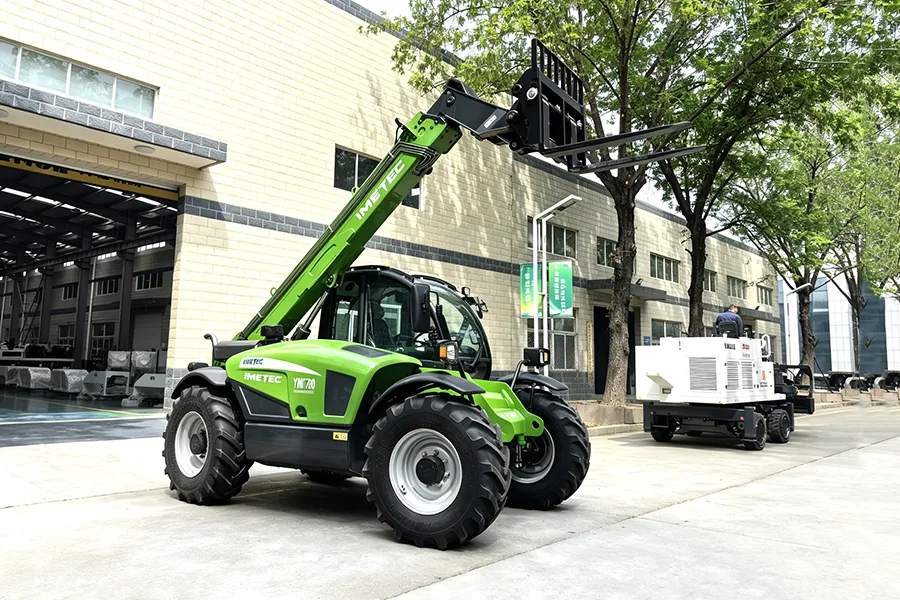
A Worked Planning Example for High Capacity Telehandler
Jeżeli zadanie wymaga umieszczenia zweryfikowanego ładunku o masie 1200 kg w podanym zasięgu poziomym, w decyzji należy wykorzystać wykres dla tego zasięgu, wysokości podnoszenia i dopasowanego mocowania Maksymalny udźwig nagłówka nie może odpowiedzieć na pytanie Masa mocowania i centrum obciążenia wpływają na konfigurację Strona produktu LTSZ wymienia maksymalną wysokość roboczą 7 m dla MTS-735, ale sama ta liczba nie ustanawia dopuszczalnego obciążenia na 7 m lub na dowolnym zasięgu poziomym Poproś o rzeczywisty wykres.
Kontrole konfiguracji i dowody potwierdzające
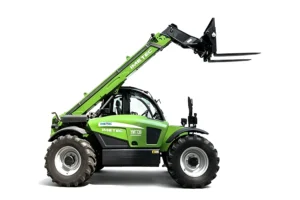
LTSZ wymienia Ładowarka teleskopowa within its livestock equipment portfolio. The product page records Model: MTS-735; Vehicle Dimensions: 4936*2300*2550mm; Wheelbase: 2.85m. Treat these entries as a starting point for a configuration discussion and request the current model sheet before placing an order. Confirm that the proposed high capacity telehandler arrangement fits the attachment coupler, receiving stack and farm travel route.
W przypadku tego zastosowania poproś zespół, aby kompetentny operator wykazał wymagane rozmieszczenie przy użyciu prawidłowego mocowania i odpowiedniego wykresu obciążenia, przy zachowaniu przejrzystości osób.Podaj rysunek układu, zamierzone palety, bele lub luźne materiały ze zweryfikowaną charakterystyką obciążenia i wymaganym oknem roboczym. W wycenie należy określić zawarte opcje, dostęp do usługi i dowody potrzebne do przekazania. Możesz także przejrzeć Portfolio sprzętu LTSZ aby zrozumieć sąsiednie etapy karmienia i czyszczenia.
Porównaj opcje przed podjęciem
| Decyzja | Co porównać | Dowód na żądanie |
|---|---|---|
| Dopasowanie zadania | zbieranie, przemieszczanie się i umieszczanie ładunku przy użyciu zatwierdzonego załącznika | Zademonstrowana kompletna runda robocza |
| Dopasowanie materiału | palety, bele lub materiały sypkie o zweryfikowanej charakterystyce ładunku | Warunki próbne i rzeczywiste obserwacje |
| Dopasowanie witryny | wykres obciążenia specyficzny dla mocowania i rzeczywiste warunki gruntowe | Rysunek konfiguracji i przegląd trasy |
| Wydajność | masa ładunku, wymagany zasięg, wysokość podnoszenia i powtarzalny czas cyklu | Odtwarzalny rekord akceptacji |
| Użyteczność | podkładki wysięgnika, sworznie, sprzęgi, węże hydrauliczne, opony i mocowania do podnoszenia | Ręczne, numery części i procedura dostępu |
- Uzyskaj wykres obciążenia dla dokładnej maszyny i załącznika.
- Rekordowa masa ładunku, centrum obciążenia, wysokość podnoszenia i zasięg poziomy.
- Sprawdź warunki gruntowe i przeszkody nad głową.
- Korzystaj z przeszkolonych, autoryzowanych operatorów i planowanego obszaru wykluczenia pieszych.
Aby uzyskać niezależne tło, przeczytaj Wytyczne HSE dotyczące rolniczych ładowarek teleskopowych. HSE omawia szkolenia, załączniki, widoczność i bezpieczną obsługę Zastosuj wymagania jurysdykcji miejsca docelowego i dokładną instrukcję obsługi maszyny, jak również.
Omów wymagania dotyczące gospodarstwa
To discuss high capacity telehandler, send your farm layout, daily workload, material details and delivery destination to LTSZ. Poproś o proponowaną konfigurację z limitami operacyjnymi, zakresem wyceny i kontrolami akceptacji określonymi na piśmie Dołącz główne ograniczenie określone w tym przewodniku, aby dyskusja rozpoczęła się od zadania, które musi wykonać Twoje gospodarstwo.
Często Zadawane Pytania
What information is needed to specify high capacity telehandler?
To specify high capacity telehandler, start with collecting, traveling with and placing a load using an approved attachment, the daily workload and the available work window. Add drawings of the attachment coupler, receiving stack and farm travel route, material details and the result the farm needs to verify.
How should high capacity telehandler performance be checked?
Evaluate high capacity telehandler using load mass, required reach, lift height and repeatable cycle time as the operating evidence. A practical approach is to have a competent operator demonstrate the required placement using the correct attachment and the applicable load chart, with people kept clear. Record settings and conditions so the result can be compared with routine work.
Can high capacity telehandler be selected from capacity alone?
Pojemność musi być sprawdzana wraz z wykresem obciążenia specyficznym dla mocowania i rzeczywistymi warunkami gruntowymi Potwierdź zachowanie materiału, dostęp, pełny czas cyklu i wymagania dotyczące wsparcia Liczba nominalna nie może ustalić każdej części zadania.
Which high capacity telehandler maintenance points need attention?
Sprawdź podkładki wysięgnika, sworznie, sprzęgi, węże hydrauliczne, opony i mocowania do podnoszenia zgodnie z dokładną instrukcją modelu Przypisz odpowiedzialność, użyj wymaganej procedury izolacji i zapisz powtarzające się potrzeby zużycia lub regulacji.
What should a high capacity telehandler quotation include?
Poproś o model i konfigurację, rysunki, aktualne specyfikacje, zawarte opcje, zakres dostawy, szkolenie, części zamienne i warunki serwisowe Uzgodnij sposób akceptacji przed złożeniem zamówienia.